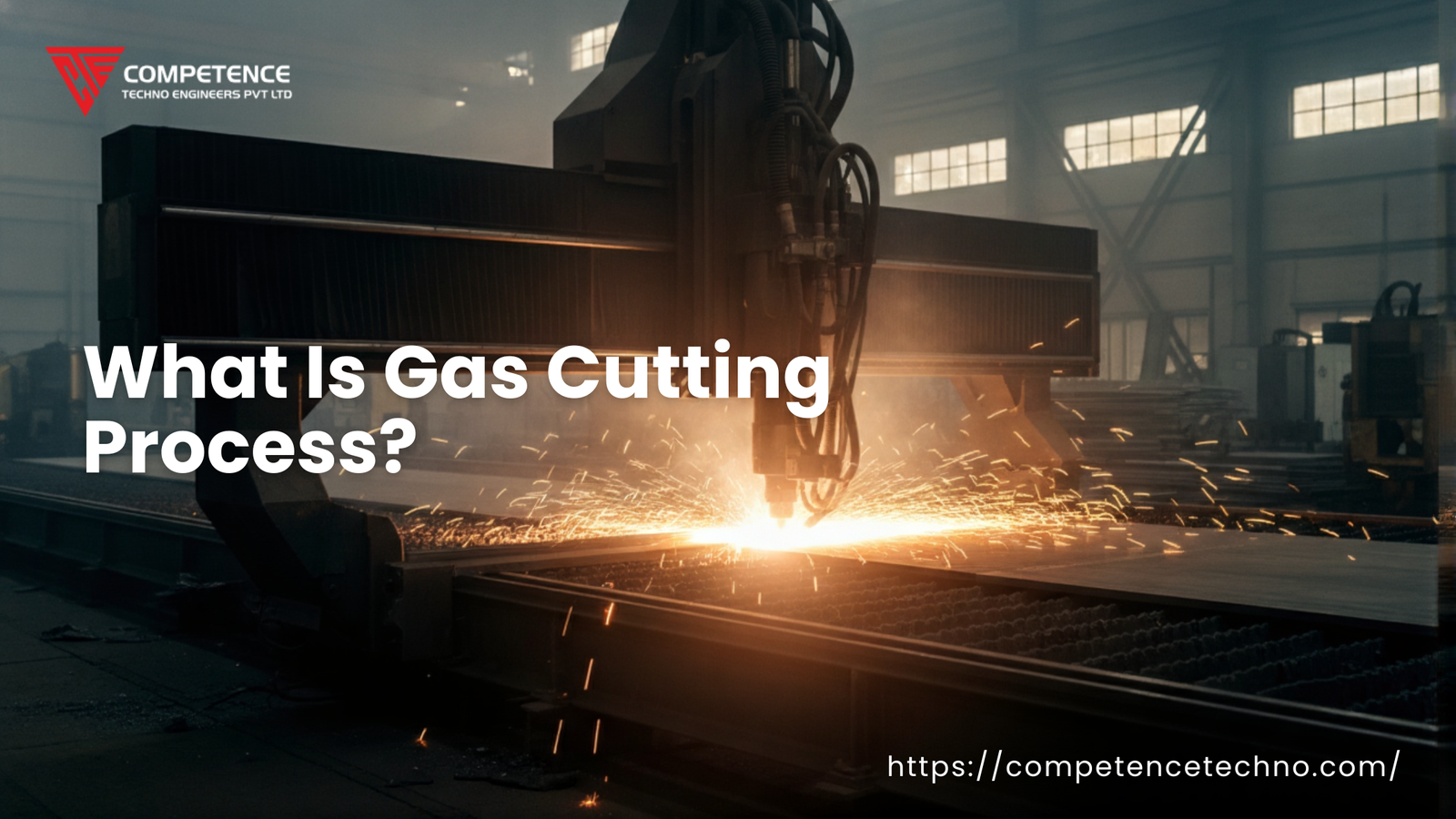
Gas cutting is a widely used metal cutting process in manufacturing industries that has been a cornerstone of metal fabrication for decades. Whether you’re looking to understand how gas cutting works or searching for the best CNC gas cutting machines in India, this complete guide will help you learn everything about this essential manufacturing process.
From small fabrication shops to large industrial facilities, gas cutting remains one of the most reliable and cost-effective methods for cutting ferrous metals. With the integration of CNC technology, gas cutting has evolved into a highly precise and automated process capable of handling complex cutting patterns with exceptional accuracy. This guide covers everything from basic principles to advanced CNC systems, helping you make informed decisions for your manufacturing needs.
Understanding the Gas Cutting Process
Gas cutting, also known as oxy-fuel cutting or flame cutting, is a process that uses a mixture of fuel gas and oxygen to cut through metal. The process works by heating the metal to its ignition temperature and then introducing a stream of pure oxygen to create a chemical reaction that cuts through the material.
This method is commonly used for cutting steel, iron, and other ferrous metals in various thicknesses. Gas cutting is popular in industries like shipbuilding, construction, automotive manufacturing, and metal fabrication.
How Gas Cutting Works
Understanding how gas cutting works is simple when broken down into basic steps.
The Basic Gas Cutting Procedure
The gas cutting process follows a systematic approach that ensures clean, precise cuts through metal materials.
Preheating: The cutting torch heats the metal surface to its ignition temperature, typically around 1,600°F to 1,800°F for steel, using a flame produced by mixing fuel gas with oxygen. This initial heating phase is critical as it prepares the metal for the oxidation reaction.
Oxygen Stream: Once the metal reaches the right temperature, a high-pressure stream of pure oxygen is released through the center of the torch. This concentrated oxygen flow is what actually performs the cutting action.
Oxidation Reaction: The oxygen reacts with the heated metal, creating iron oxide. This chemical reaction produces intense heat that melts the metal at the cutting point. The exothermic nature of this reaction provides additional heat to sustain the cutting process.
Metal Removal: The force of the oxygen stream blows away the molten metal and oxide, creating a clean cut through the material. This continuous removal of molten material allows the cut to progress through the entire thickness of the metal.
Continuous Cutting: As you move the torch along the cutting line, the process continues, creating a smooth, precise cut through the metal. The key to quality cuts is maintaining consistent torch movement and proper oxygen flow.
Types of Fuel Gases Used
Different fuel gases can be used in the gas cutting process, each with distinct characteristics and applications.
Acetylene: The most common choice, acetylene produces the hottest flame at around 6,300°F. This high temperature makes it ideal for cutting thick steel plates and allows for faster preheating times. Acetylene is preferred for heavy-duty industrial cutting operations.
Propane: More economical than acetylene, propane is suitable for thicker materials and offers longer cutting times per cylinder. While it produces a lower flame temperature, it’s cost-effective for large-scale operations and provides excellent results on materials over one inch thick.
Natural Gas: A cost-effective option for large-scale operations, natural gas is often used in facilities with existing natural gas infrastructure. It’s particularly economical when cutting high volumes of material, though it requires larger torch tips due to lower flame temperature.
MAPP Gas: MAPP (Methylacetylene-Propadiene Propane) provides stable cutting performance with a flame temperature between propane and acetylene. It offers a good balance of cost and performance for medium-duty applications.
CNC Gas Cutting Machines
Modern manufacturing has introduced CNC (Computer Numerical Control) technology to gas cutting, making the process more precise and efficient.
What is CNC Gas Cutting?
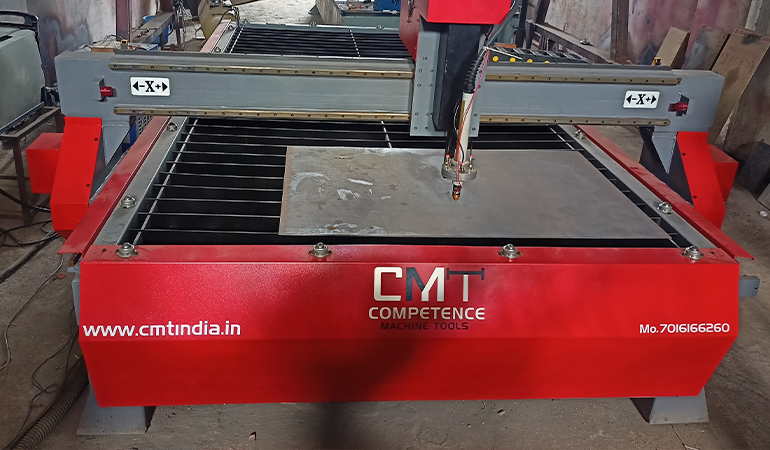
CNC gas cutting combines traditional gas cutting with computer-controlled automation. A CNC gas cutting machine follows pre-programmed instructions to cut complex shapes and patterns with high accuracy and repeatability. The machine’s computer controls the torch movement, cutting speed, and gas flow, eliminating human error and ensuring consistent results across multiple parts.
High Precision: Computer-controlled movements ensure accurate cuts every time, with tolerances as tight as ±0.5mm depending on the machine quality. This precision eliminates the variability inherent in manual cutting operations.
Complex Shapes: CNC systems can cut intricate designs that would be extremely difficult or impossible to execute manually. From circular patterns to complex geometries, CNC gas cutting handles it all with ease.
Increased Productivity: Faster cutting speeds and reduced labor costs significantly improve production efficiency. A single operator can manage multiple CNC machines simultaneously, maximizing output while minimizing labor expenses.
Material Efficiency: Optimized cutting patterns reduce waste by nesting parts efficiently on the metal sheet. CAM software calculates the most economical layout, saving material costs and reducing scrap.
Consistency: Every part is identical, ensuring quality control across production runs. This repeatability is essential for manufacturing where parts must be interchangeable.
Gas Cutting CNC Machine Features
Modern gas cutting CNC machines come with advanced features that enhance performance and efficiency.
Multi-torch systems allow for simultaneous cutting on multiple parts, dramatically increasing production speed. Some advanced systems can operate with four or more torches working independently.
Automatic height control maintains the optimal distance between the torch tip and the work surface, ensuring consistent cut quality even on warped or uneven materials. This feature prevents tip damage and maintains proper gas flow.
CAD/CAM software integration enables seamless transition from design to production. Import drawings directly into the cutting software, apply cutting parameters, and generate toolpaths automatically.
Plasma cutting combination options provide versatility by combining gas and plasma cutting capabilities in one machine. Use gas cutting for thick materials and plasma for thinner metals or non-ferrous materials.
Automatic ignition and gas control systems simplify operation and improve safety. The machine handles lighting the torch, adjusting gas mixtures, and shutting down safely at the end of each cut.
Top CNC Machine Manufacturers in India
India has emerged as a major hub for CNC machine manufacturing, offering quality machines at competitive prices. The country’s manufacturing sector has made significant strides in producing world-class CNC equipment that rivals international brands while providing the advantage of local support, faster delivery times, and cost savings.
Indian CNC manufacturers have invested heavily in research and development, incorporating advanced technologies like IoT connectivity, servo-driven systems, and sophisticated control software into their machines. Many collaborate with international technology partners, ensuring their products meet global standards while remaining affordable for the Indian market.
The availability of skilled engineers, competitive labor costs, and a robust supply chain for components has positioned India as an attractive destination for CNC manufacturing. Whether you’re looking for basic entry-level machines or advanced industrial systems, Indian manufacturers offer comprehensive solutions backed by reliable after-sales support and training programs.
Here are some leading manufacturers that have established strong reputations in the CNC industry:
1.Competence Techno
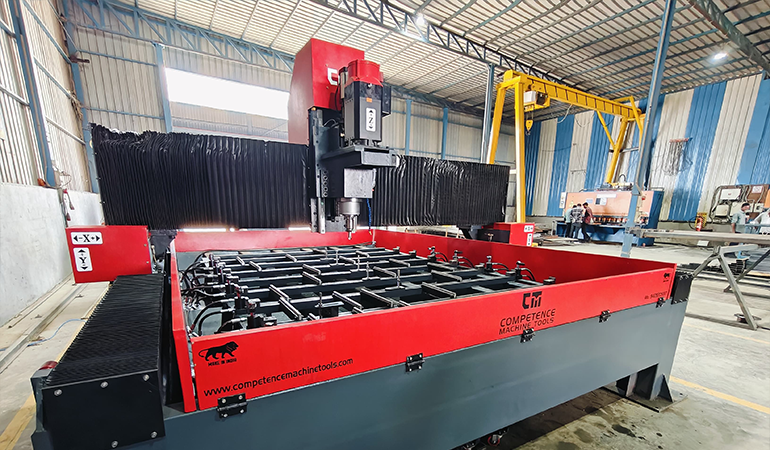
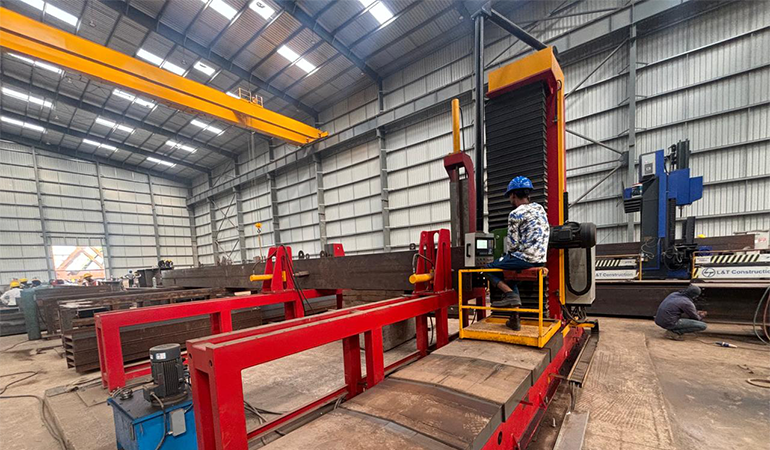
Competence Techno is a prominent manufacturer in the CNC industry, known for delivering precision engineering solutions and advanced CNC machinery for diverse industrial needs. With years of experience in the manufacturing sector, the company offers comprehensive CNC machine solutions ranging from basic cutting systems to sophisticated multi-axis machining centers. Their product portfolio includes CNC gas cutting machines, plasma cutting systems, CNC routers, and automated fabrication equipment designed to meet demanding requirements.
The company focuses on providing customized solutions tailored to specific industry requirements, working closely with clients to recommend suitable equipment configurations. What sets Competence Techno apart is their comprehensive after-sales support, including installation assistance, operator training, preventive maintenance programs, and readily available spare parts. Their commitment to quality is reflected in the use of premium components and adherence to international manufacturing standards.
2. Lokesh Machines
Lokesh Machines is a trusted name in the CNC industry, providing reliable gas cutting and CNC solutions for various industrial applications. Established with a vision to deliver high-quality, affordable CNC equipment to Indian manufacturers, their machines are known for robust construction and dependable performance in demanding production environments. The company specializes in CNC gas cutting systems, plasma cutting machines, and profile cutting equipment designed for heavy-duty industrial use, particularly popular in shipbuilding and structural steel fabrication sectors.
One of the key strengths of Lokesh Machines is their focus on durability and ease of maintenance, featuring heavy-duty frames, precision linear guides, and industrial-grade components that ensure long service life. The company maintains a strong service network across India, offering prompt technical support and quick availability of spare parts, making them a preferred choice for small and medium enterprises.
3. Unistar CNC Router Machine
Unistar specializes in CNC router machines and offers comprehensive cutting solutions for wood, metal, and composite materials. As a dedicated manufacturer of CNC routing systems, their versatile machines serve industries from furniture manufacturing to aerospace component production, sign making, and architectural millwork. Unistar’s product range includes everything from compact desktop routers for small workshops to large industrial systems with automatic tool changers and multiple cutting heads.
The company’s CNC routers are engineered with precision ball screws, heavy-duty spindles, and advanced control systems that deliver exceptional accuracy. Unistar emphasizes user-friendly operation with intuitive software interfaces and comprehensive CAD/CAM integration. Their commitment to innovation includes features like automatic vacuum hold-down systems, dust collection integration, and IoT-enabled remote monitoring, offering excellent value for money with competitive pricing.
4. Best CNC
Best CNC manufactures a wide range of CNC machines including gas cutting systems, plasma cutters, and laser cutting machines. As a comprehensive solution provider, they offer complete cutting solutions with strong after-sales support and training programs. Their product lineup covers the entire spectrum from economical entry-level machines for small fabricators to sophisticated industrial systems for large-scale manufacturing operations.
The company’s strength lies in their ability to offer hybrid cutting systems that combine multiple technologies, allowing manufacturers to switch between cutting methods based on material type and thickness. Best CNC machines are designed with modular architecture for easy upgrades, and the company’s customer-centric approach includes customization services. With a growing network of service centers and trained technicians, Best CNC ensures reliable support is always available.
Other Notable Manufacturers
Jyoti CNC Automation:, Known for precision CNC machines with competitive pricing, Jyoti offers excellent value for money with machines that compete with international brands.
ACE Micromatic: A leading manufacturer of high-performance CNC machines with advanced features and robust build quality suitable for heavy industrial applications.
BFW:Specializes in CNC turning and machining centers with a reputation for accuracy and reliability in high-precision manufacturing.
Lakshmi Machine Works:One of India’s oldest and most reliable CNC manufacturers with decades of experience and a proven track record in the industry.
HMT Machine Tools:Government-backed manufacturer with proven track record, offering dependable machines with nationwide service support.
Yamazaki Mazak India: International brand with Indian manufacturing, bringing global technology standards to the Indian market with local support.
MTAB Technology: Provides advanced CNC solutions for modern manufacturing with focus on Industry 4.0 integration and smart manufacturing capabilities.
CNC Machine Price in India
The cost of CNC machines in India varies based on specifications, size, and features.
Basic CNC Gas Cutting Machines: ₹3 lakh to ₹8 lakh – These entry-level machines are suitable for small fabrication shops and offer essential cutting capabilities for standard steel plates up to 25mm thick.
Mid-Range CNC Gas Cutters: ₹8 lakh to ₹20 lakh – These machines offer enhanced features like automatic height control, better software integration, and can handle thicker materials up to 100mm.
Industrial CNC Gas Cutting Systems: ₹20 lakh to ₹1 crore+ – High-end systems with multiple torches, large cutting tables, advanced automation, and integration with factory management systems.
CNC Router Machines: ₹2 lakh to ₹15 lakh – Pricing varies based on table size, spindle power, and axis configuration.
For exact Jyoti CNC machine price or specific models, it’s best to contact manufacturers directly as prices vary based on customization and current market conditions.
Advantages of Gas Cutting
Gas cutting offers several compelling advantages that make it the preferred choice for many applications.
Cost-Effective: Lower equipment costs compared to laser or plasma cutting make gas cutting accessible to small and medium businesses. The initial investment is significantly lower, and operating costs remain economical.
Thick Materials: Gas cutting can handle very thick metals, up to 12 inches or more, which is beyond the capability of most plasma or laser systems. This makes it ideal for heavy fabrication work.
Portability: Portable equipment is available for on-site work, allowing cutting operations at construction sites, shipyards, or field locations where bringing materials to a shop isn’t practical.
Clean Cuts: The process produces smooth edges with minimal slag, reducing secondary finishing operations and saving time in the overall production process.
Surface Preparation:Rusty, painted, or scaled surfaces can interfere with cutting quality and may require cleaning before cutting for optimal results.
Limitations of Gas Cutting
While gas cutting is highly effective, it has certain limitations to consider.
Metal Restrictions:Gas cutting only works effectively on ferrous metals like steel and iron. It cannot cut stainless steel, aluminum, or copper effectively because these metals don’t oxidize in the same way.
Speed Constraints: For thin materials under 10mm, gas cutting is slower than plasma or laser cutting. When production volume is high and materials are thin, alternative cutting methods may be more efficient.
Heat-Affected Zones: The process produces heat-affected zones around the cut where the metal’s properties may change due to thermal exposure. This can affect hardness and require additional heat treatment.
Operator Skill: Manual gas cutting requires skilled operators who can maintain consistent torch angles, movement speeds, and proper gas pressures. Training takes time and experience to master.
Surface Preparation: Rusty, painted, or scaled surfaces can interfere with cutting quality and may require cleaning before cutting for optimal results.
Gas Cutting Procedure Safety Guidelines
Safety is crucial when working with gas cutting equipment. Following proper safety protocols protects operators and facilities.
Personal Protective Equipment: Always wear safety goggles with proper shade rating, heat-resistant gloves, flame-resistant clothing, and steel-toed boots. Never operate cutting equipment without complete PPE.
Gas Cylinder Storage:Store cylinders upright and secured with chains or straps, away from heat sources and direct sunlight. Keep oxygen and fuel gas cylinders separated by at least 20 feet or by a fire-resistant barrier.
Regular Inspections: Check hoses, regulators, and torches for leaks daily before use. Apply soapy water to connections to detect gas leaks, and never use damaged equipment.
Fire Prevention: Keep fire extinguishers nearby and rated for Class B and C fires. Clear the area of flammable materials, including paper, wood, oil, and combustible liquids before starting work.
Training: Only trained personnel should operate gas cutting equipment. Provide comprehensive safety training covering equipment operation, emergency procedures, and hazard recognition.
Applications of Gas Cutting
Gas cutting is used across various industries for diverse applications.
Shipbuilding: Cutting thick steel plates for ship construction, including hull sections, bulkheads, and structural components. The ability to cut very thick materials makes gas cutting essential in shipyards.
Construction:Preparing structural steel beams and components for buildings, bridges, and infrastructure projects. On-site cutting capability is particularly valuable for field modifications.
Automotive: Manufacturing vehicle frames and parts, including chassis components, brackets, and structural reinforcements for cars, trucks, and heavy equipment.
Metal Fabrication: Custom metalwork and artistic designs, from ornamental ironwork to functional industrial components. The precision of CNC gas cutting enables creative possibilities.
Scrap Recycling: Breaking down large metal structures like old machinery, demolition materials, and industrial equipment for recycling and material recovery.
Pipeline Installation:Cutting pipes to required lengths in oil and gas operations, water distribution systems, and industrial process piping installations.
Finding CNC Machine Suppliers in India
Research Manufacturers
Start by checking the comprehensive list of CNC machine manufacturers in India. Compare their product ranges and specifications to identify companies that offer machines matching your requirements. Read customer reviews and testimonials to gauge reliability and customer satisfaction. Visit manufacturer websites for detailed information about their products, services, and company background.
Compare Prices
Request quotes from multiple suppliers to understand the market range for your desired machine specifications. Compare features versus cost to determine which machines offer the best value for your investment. Check warranty coverage and after-sales support policies, as these significantly impact long-term ownership costs. Consider long-term maintenance costs including spare parts availability and service contracts.
Find Contact Details
Visit manufacturer websites for phone numbers and email addresses of sales representatives. Use online directories and industry portals to locate suppliers with complete contact information. Attend industrial trade shows and exhibitions where manufacturers display their machines and provide demonstrations. Connect through LinkedIn and business networks to reach decision-makers directly.
Locate Suppliers
Major manufacturing hubs in India for CNC machines include
Gujarat (Rajkot, Ahmedabad)- Known for sheet metal working machinery and CNC cutting systems with competitive pricing and strong manufacturing ecosystem.
Maharashtra (Pune, Mumbai)-Hub for precision engineering with many international collaborations and advanced technology manufacturers.
Tamil Nadu (Coimbatore, Chennai)-Traditional machine tool manufacturing center with decades of expertise and comprehensive manufacturing capabilities.
Karnataka (Bangalore)-Technology-focused manufacturers with emphasis on automation and software integration for modern Industry 4.0 solutions.
Delhi NCR-Strategic location serving northern India with good access to raw materials and skilled labor for manufacturing operations.
Maintenance of Gas Cutting Equipment
Proper maintenance ensures long equipment life and safe operation.
Clean torch tips regularly to prevent clogging and ensure proper gas flow. Remove spatter and carbon buildup after each use, and use proper tip cleaners rather than abrasive methods that can damage precision orifices.
Inspect hoses monthlyfor cracks, damage, or deterioration. Replace any hoses showing wear before they fail, as gas leaks create serious safety hazards.
Check pressure regulatorsfor accurate readings and proper function. Calibrate gauges annually and replace regulators that show inconsistent pressure control.
Replace worn-out parts immediatelyrather than attempting to extend their life. Torch tips, hoses, and seals are relatively inexpensive compared to the cost of accidents or poor cut quality.
Store equipment in dry, clean conditions protected from weather, moisture, and extreme temperatures. Proper storage prevents corrosion and extends equipment life.
Keep spare parts inventory for quick repairs and minimal downtime. Stock commonly needed items like torch tips, hoses, striker igniters, and regulators.
Modern Trends in Gas Cutting
The gas cutting industry continues to evolve with technological advancements.
Automation Integration:More CNC gas cutting machines now feature IoT connectivity for remote monitoring, predictive maintenance, and integration with factory management systems. Real-time data collection enables better production planning.
Hybrid Systems:Machines combining gas, plasma, and laser cutting capabilities in one platform provide maximum flexibility. Switch between cutting methods based on material type and thickness without changing equipment.
Software Advances:for accurate readings and proper function. Calibrate gauges annually and replace regulators that show inconsistent pressure control.
Environmental Focus:Reduced emissions and improved fuel efficiency through better torch design and gas management systems. Some manufacturers are developing systems that capture and treat exhaust gases.
Smart Manufacturing: Integration with Industry 4.0 technologies including machine-to-machine communication, automated quality inspection, and adaptive process control that adjusts parameters based on real-time feedback.
Keep spare parts inventory for quick repairs and minimal downtime. Stock commonly needed items like torch tips, hoses, striker igniters, and regulators.
Choosing the Right Gas Cutting Solution
Consider these factors when selecting a gas cutting system for your operation.
Material Type:More CNC gas cutting machines now feature IoT connectivity for remote monitoring, predictive maintenance, and integration with factory management systems. Real-time data collection enables better production planning.
Thickness Range:What is your typical material thickness? Gas cutting excels with materials from 10mm to 300mm thick. For primarily thin materials, plasma or laser might be more efficient.
Production Volume:How many cuts per day or week? High-volume production justifies investment in CNC automation, while lower volumes might be served adequately by manual or semi-automatic systems.
Precision Requirements:Do you need CNC automation for tight tolerances and complex shapes? Modern CNC gas cutting achieves accuracies suitable for most applications without the cost of laser systems.
Budget: What is your investment capacity? Balance initial equipment cost against long-term operating costs, productivity gains, and quality improvements that justify the investment.
Space Availability: Do you have room for a large CNC system? Consider available floor space, ceiling height for fume extraction, and room for material handling around the machine.
Skill Level: Manual or automated operation? Assess your workforce capabilities and training resources. CNC systems reduce the skill requirement for producing quality cuts consistently.
Conclusion
The gas cutting process remains a fundamental manufacturing technique, especially when combined with modern CNC technology. Understanding how gas cutting works and the available CNC gas cutting machines helps manufacturers make informed decisions about equipment investments and production methods.
India’s growing manufacturing sector offers excellent options through top CNC machine manufacturers, providing quality equipment at competitive prices. Whether you’re a small fabrication shop working on custom projects or a large industrial facility with high-volume production needs, there’s a gas cutting solution that fits your requirements and budget.
By following proper gas cutting procedures and safety guidelines, investing in reliable equipment from established manufacturers like Competence Techno, Lokesh Machines, Unistar, or Best CNC, and staying updated with modern CNC technology, you can achieve efficient, precise, and cost-effective metal cutting operations.
The versatility of gas cutting for thick materials, combined with the precision of CNC control, creates a powerful manufacturing capability. As technology advances with IoT integration, hybrid systems, and smart manufacturing features, gas cutting continues to evolve while maintaining its fundamental advantages of economy and effectiveness.
For specific CNC machine prices in India or to explore the complete list of CNC machine manufacturers, contact suppliers directly to discuss your requirements and get customized solutions for your business. Take advantage of demonstrations and trial cuts to evaluate equipment performance before making your investment decision.